StoryLocal news
Illinois Early Voting Tops the March Primary, Mostly Outside Chicago, and Kalshi Keeps Pritzker's Party Ahead
Illinois logged 677,053 early in-person ballots by October 29, 2026, 57% more than the whole March primary, while Kalshi held a Democratic governor at 98%, which means traders read the surge as a bigger electorate rather than a closer race.
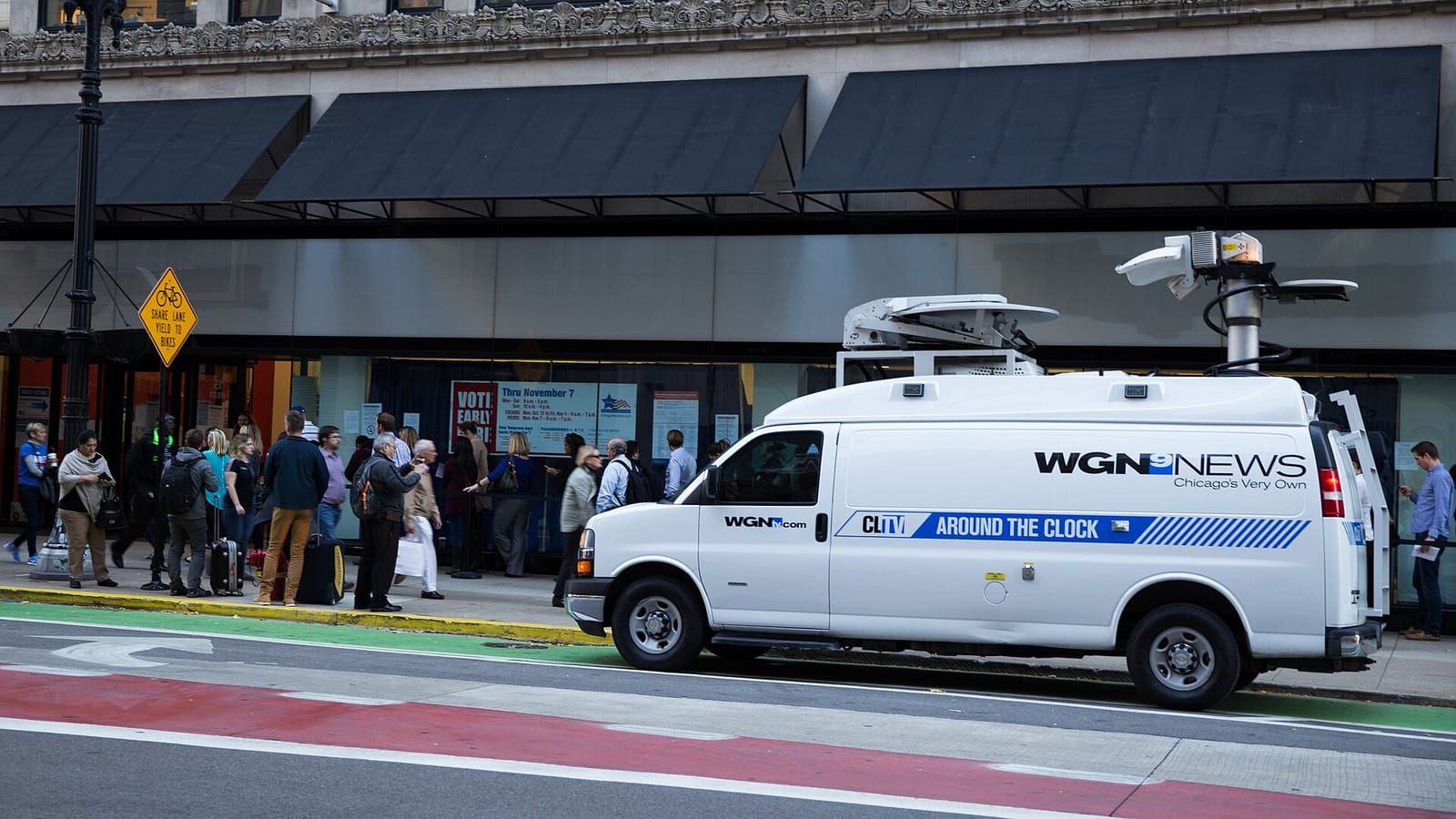
Illinois voters had cast 677,053 early in-person ballots for the November 3 general election by the morning of October 29, 2026, according to the State Board of Elections' pre-election counts, already 57% more than the 430,000 early votes cast in the entire March 17 primary. Election authorities had also received 583,691 of the 1,175,326 mail ballots voters requested, and 6,575 people had registered and voted on the same day during the grace period. The Board's files were last updated at 10:31 a.m. on October 29, five days before Election Day.
The Illinois early voting turnout figures arrive with the governor's race at the top of the ballot, and the market for it did not treat the count as news about the outcome. On October 29, 2026, Kalshi had the Democratic Party at 98% to win the governor's office, the cheapest Yes on that side, against Polymarket's 99%, and Polymarket had the Republican Party at 1%, against Kalshi's 3%. That price means traders read a large early vote as a large electorate, not as a sign that Gov. JB Pritzker's rematch with Republican Darren Bailey has become close.
Where the Early Ballots Are Coming From
The growth is not spread evenly. The City of Chicago, which the Board counts as its own election jurisdiction, had 105,468 early in-person ballots on October 29, still 13,134 short of the 118,602 it recorded for the whole March primary. The Cook County jurisdiction, which covers the rest of the county, had 154,964 early votes against 120,879 in March. Together, the city and the rest of Cook accounted for about 38% of Illinois's early in-person ballots on October 29, down from about 56% of the primary's.
The counties outside Cook are where the early vote has grown fastest. DuPage County had 71,537 early in-person ballots against 41,081 in the March primary. Lake County had 48,419 against 20,554, Will County 39,782 against 16,481, Kane County 38,533 against 19,273 and McHenry County 22,637 against 8,840. Lake, Will and McHenry had more than doubled their primary early vote with five days of early voting left, Kane had almost exactly doubled it, and DuPage was at about 1.7 times.
The pattern holds well beyond the Chicago area. Madison County had 15,424 early in-person ballots against 6,061 in March, St. Clair County 10,621 against 2,920, Champaign County 12,420 against 7,062, Peoria County 9,371 against 3,354, Sangamon County 6,913 against 3,191 and Winnebago County 4,396 against 1,888.
Mail ballots tell a sharper version of the Chicago story. Statewide, 49.7% of requested mail ballots had come back by October 29, 2026. In the City of Chicago the figure was 29.6%, 73,497 of 248,380. The rest of Cook County stood at 43.9% and DuPage at 45.6%, while Kane County was at 63.3%, Peoria County at 62.7% and Winnebago County at 67.3%. Chicago voters requested more mail ballots than any other jurisdiction in the state and had returned the smallest share of the places named here.
Two other numbers in the Board's file point the same way. Mail-ballot requests for the general election stood at 1,175,326 on October 29, against 856,815 in the March primary's final counts, so more Illinoisans asked to vote by mail this fall than in the spring by a margin of about 318,500. And grace-period voting, in which a voter registers and casts a ballot at the same visit, is concentrated in the city: Chicago accounted for 4,173 of the state's 6,575 grace-period ballots, about 63%, while the Cook County jurisdiction outside the city reported none. Chicago's early in-person total trails its spring pace, but the city is where most same-day registrants are voting, which is one reason its final count could still close part of the gap by November 2.
What the Governor Market Made of the Count
The governor market is the Illinois board the early vote touches most directly, because every one of these ballots carries the race. Kalshi had matched about 377,000 contracts on the board through October 29, 2026, and about 75,000 of them traded in the 24 hours before the board was read, roughly a fifth of its lifetime count in a single day. Polymarket had traded about $32K on it. Heavy trading at a 98% price means traders were exchanging near-certainty, not moving the line toward a contest.
The price rests on the last time these two candidates met. In the 2022 general election Pritzker took 2,253,748 votes, 54.91%, to Bailey's 1,739,095, 42.37%, out of 4,104,636 cast, a margin of 514,653. Pritzker has been governor since January 14, 2019, and the State Board of Elections' candidate list for November 3, 2026 again names Pritzker as the Democratic candidate for governor and Bailey as the Republican. The roughly 1.27 million ballots already cast by mail, in person and in the grace period are about 31% of the total votes counted in 2022, and the market's read is that a bigger or earlier electorate would have to break very differently from 2022's to erase a half-million-vote margin.
An earlier story on the Pritzker-Bailey debate found the board treated that night as a replay of 2022. The early vote is a second test, and on October 29, 2026 the price gave the same answer.
What the Counts Cannot Say
The State Board of Elections' counts are ballots, not choices. They show how many voters have voted early or returned a mail ballot and in which jurisdiction, not for whom, and the Board labels them unofficial numbers that change daily as election authorities update the statewide voter registration database.
That leaves a real counterargument to the market's calm. The early vote has grown fastest in DuPage, Lake, Will, Kane and McHenry counties and in Madison, St. Clair and Peoria counties, while the City of Chicago has lagged both its own primary pace and the statewide mail return rate. A reader who expects the governor's race to tighten would say the electorate taking shape before Election Day is less concentrated in Chicago than the March primary's was, and that Kalshi's 98% on October 29, 2026 leaves no room for what that shift could mean.
The market's answer is that early voting habits are not party labels. A shift in how voters in one county choose to vote, early or on Election Day, does not by itself change how they vote, and Chicago voters still have early voting through November 2 and the polls on November 3. The counterargument becomes evidence only if the counted returns on election night show the same tilt the early ballots do.
The same counts matter for the House boards. Voters in the Illinois 3rd District race cast their ballots through the City of Chicago, Cook County and DuPage County election authorities, and voters in the Illinois 12th District race through St. Clair, Jackson, Williamson and the other counties that ran its March primary; both boards price lopsided outcomes, one for each party.
What Comes Next
Early voting ends on Monday, November 2, and the polls are open from 6 a.m. to 7 p.m. on Tuesday, November 3, 2026, according to the election calendar the Bloomington Election Commission publishes for the general election. The State Board of Elections updates its pre-election counts as election authorities report, so the final early and mail totals will be on file before the first returns. The governor market resolves on the winning party; the Illinois governor odds page explains how each venue settles, and the Illinois Senate odds page covers the other statewide race on the same ballot. The Illinois elections page lists every race.
Questions readers are asking
How many Illinois voters have voted early in 2026?
As of the State Board of Elections' update at 10:31 a.m. on October 29, 2026, Illinois had 677,053 early in-person ballots, 583,691 returned mail ballots and 6,575 grace-period ballots for the November 3 general election. The Board calls the counts unofficial.
Is Illinois early voting higher than in the March primary?
Yes. Early in-person ballots on October 29, 2026 were already 57% above the 430,000 cast in the whole March 17 primary, though the City of Chicago, at 105,468, was still below its primary total of 118,602.
Did the early vote move the Illinois governor odds?
No. As of October 29, 2026, Kalshi had the Democratic Party at 98% to win the governor's race, the cheapest Yes on that side, against Polymarket's 99%, and Polymarket had the Republican Party at 1%, a price that leaves almost no room for an upset.
When does early voting end in Illinois?
Early voting ends on Monday, November 2, 2026, and polls are open from 6 a.m. to 7 p.m. on Election Day, Tuesday, November 3.